Mellanis: A Versatile Monoline Script Font for Creative Workflows
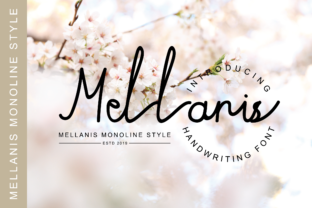
Mellanis is a monoline script font that brings a natural, hand-drawn aesthetic to design projects. Its clean lines and flowing character shapes make it ideal for both digital and print applications. Whether you're crafting a logo, designing social media graphics, or creating product packaging, Mellanis offers a unique visual identity that stands out while maintaining readability.
Understanding the Role of Mellanis in Design Processes
In the world of graphic design, typography plays a crucial role in shaping the overall look and feel of a project. Fonts like Mellanis are not just about aesthetics—they contribute to brand recognition, user experience, and visual storytelling. Understanding how Mellanis fits into a broader creative workflow helps designers choose the right tool for the job.
Mellanis is particularly useful when you need a font that feels personal yet professional. It’s often used in branding because its organic appearance can convey warmth and approachability. For instance, a small business owner launching a new line of handmade products might use Mellanis on their packaging to reflect the artisanal nature of their offerings.
Where Mellanis Fits in the Creative Process
Mellanis can be integrated at various stages of a project. During the ideation phase, it can help set the tone by providing a visual anchor for the brand's personality. In the execution phase, it ensures consistency across all touchpoints, from website headers to social media posts.
For example, a marketing team planning a campaign might use Mellanis as the primary font for all promotional materials. This creates a cohesive look that reinforces brand identity. The font’s versatility allows it to work well with both minimalist and detailed designs, depending on the project’s needs.
Before, During, and After the Project
Before starting a project, selecting the right font is an important decision. Mellanis is a great choice for designers who want a modern, elegant look without sacrificing legibility. It works well with both light and dark backgrounds, making it adaptable for different design contexts.
During the project, Mellanis supports the creative process by offering a consistent typographic style that aligns with the project’s goals. It can be paired with other fonts to create contrast or harmony, depending on the desired effect. For instance, using a sans-serif font alongside Mellanis can add structure to a design that otherwise feels too informal.
After the project is complete, Mellanis remains a valuable asset for maintaining brand consistency. It can be used in follow-up materials, such as newsletters, reports, or presentations, ensuring that the visual identity remains strong and recognizable.
Integrating Mellanis with Other Tools and Platforms
Mellanis is designed to work seamlessly with a variety of design tools and platforms. Whether you're using Adobe Illustrator, Canva, or Figma, the font is compatible with most software that supports TrueType or OpenType formats. This compatibility makes it easy to incorporate into existing workflows without disrupting the creative process.
One advantage of using Mellanis is its scalability. It looks great at any size, which is especially useful for print and digital projects that require flexibility. When working with clients or collaborators, having a font that can be easily shared and used across different platforms ensures smooth collaboration and consistent results.
Practical Implementation Tips
- Test Different Sizes: Ensure Mellanis reads well at smaller sizes, especially if it will be used for labels or watermarks.
- Pair Thoughtfully: Combine Mellanis with complementary fonts to balance the design visually.
- Use for Branding: Incorporate Mellanis into logos, websites, and social media profiles to build a strong brand presence.
- Check Compatibility: Verify that the font works well with your chosen design tools and output formats.
- Organize Assets: Keep track of where Mellanis is used across different projects to maintain consistency.
By following these tips, designers can ensure that Mellanis enhances their workflow rather than complicates it. It adds a touch of elegance and personality to any design, making it a valuable addition to any creative toolkit.
Real-World Use Cases for Mellanis
Mellanis is widely used in a range of industries, from fashion and beauty to education and technology. Here are some real-world examples of how it can be applied:
- Wedding Invitations: The font’s elegant curves and soft lines make it perfect for formal or semi-formal wedding designs.
- Social Media Graphics: Its modern look fits well with digital content, helping brands stand out in a crowded online space.
- Product Packaging: Mellanis can be used to label products, adding a stylish and memorable touch.
- Photography Credits: It’s commonly used in photo credits and watermarks to maintain a professional yet artistic feel.
- Stationery and Invitations: Its hand-drawn appearance suits invitations, thank-you notes, and other personal correspondence.
These use cases highlight how Mellanis can be adapted to fit different design needs. Whether you’re working on a personal project or a large-scale brand initiative, the font’s versatility ensures it remains relevant and effective.
Ensuring Long-Term Use and Quality Control
To maximize the long-term value of Mellanis, it’s important to consider factors like quality control and consistency. Using the same font across all design elements helps reinforce brand identity and ensures a unified visual experience.
When implementing Mellanis in a workflow, it’s also essential to document its usage. Keeping track of where and how the font is applied can help prevent inconsistencies and streamline future projects. Additionally, staying updated with font updates or new versions can ensure continued compatibility with evolving design tools and standards.
Finally, always test Mellanis in different environments to ensure it performs well under various conditions. This includes checking how it looks on different devices, screen resolutions, and print outputs. By doing so, you can maintain high-quality results and avoid potential issues down the line.