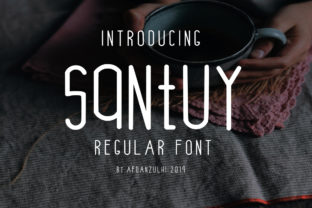
Santuy: A Modern Sans Serif Font with a Distinctive Edge
Santuy is more than just another sans serif font—it’s a design choice that speaks to a growing trend in typography. With its clean lines, minimalist aesthetic, and unique character set, Santuy offers a fresh alternative for designers, content creators, and professionals who value both style and functionality. Whether you're crafting a brand identity, designing a website, or preparing marketing materials, understanding what makes Santuy stand out can help you determine if it's the right fit for your projects.
The Design Philosophy Behind Santuy
Santuy was created with a clear vision: to blend modern elegance with approachable readability. Unlike many fonts that prioritize ornamentation, Santuy focuses on simplicity and clarity. Its design is rooted in the principles of minimalism, which has become increasingly popular in digital and print media. The font’s structure is consistent across all weights and styles, ensuring that it remains legible even at smaller sizes.
One of the standout features of Santuy is its subtle yet noticeable personality. While it maintains a professional tone, there's an underlying sense of creativity and individuality that sets it apart from more generic sans serifs. This balance makes it versatile enough for both corporate and creative applications.
Key Characteristics and Practical Value
Santuy is designed for a wide range of uses, from web content to print materials. Here are some of its key characteristics:
- Clean and modern look: Santuy’s design is inspired by contemporary typography trends, making it ideal for branding and digital interfaces.
- High readability: Despite its stylish appearance, Santuy remains highly readable, even at smaller text sizes, which is crucial for user experience on websites and mobile devices.
- Consistent spacing and proportions: The uniformity in letter spacing and glyph design ensures that text flows smoothly and looks balanced on any platform.
- Multiple weights and styles: Santuy comes in several variations, including regular, bold, italic, and condensed versions, allowing for greater flexibility in design.
- Open-source availability: For developers and designers, the open-source nature of Santuy means it can be used freely without licensing restrictions, making it an accessible option for a variety of projects.
Real-World Use Cases and Performance
To truly understand how Santuy performs in practice, it's helpful to consider real-world scenarios where it might be applied. For instance, a small business owner launching an online store could use Santuy for their logo and website headers. Its clean and modern feel aligns well with contemporary e-commerce design standards, while its readability ensures that product descriptions and other text remain easy to read.
Similarly, educators and content creators may find Santuy useful for presentations, infographics, and educational materials. Its neutral tone and strong legibility make it suitable for both formal and informal settings. In contrast, a creative agency might use Santuy for a project that requires a touch of sophistication without sacrificing clarity.
However, it's important to note that Santuy isn't always the best choice for every situation. For example, in contexts where a more traditional or classic feel is desired, such as formal documents or historical publications, Santuy might not be the most appropriate selection. Its modern aesthetic is a strength, but it also limits its versatility in certain niche applications.
Who Benefits Most from Santuy?
Santuy is particularly well-suited for professionals and creatives who value both aesthetics and practicality. Marketers and brand strategists may appreciate its ability to convey a modern, trustworthy image. Freelancers and small business owners looking to create visually appealing content without breaking the bank will also find Santuy to be a valuable asset.
Designers working on digital projects—such as websites, apps, or social media assets—will benefit from Santuy’s adaptability and scalability. Its performance across different screen sizes and resolutions ensures that it maintains its quality in various environments. Additionally, its support for multiple languages makes it a great choice for international audiences or multilingual content.
For those who prefer a more understated approach, Santuy’s subtle design elements offer a refined alternative to more showy fonts. It doesn’t shout; instead, it communicates clearly and confidently, making it ideal for professional communication and branding efforts.
Strengths and Limitations
Like any font, Santuy has its strengths and limitations. One of its greatest advantages is its ability to maintain a modern, stylish appearance without compromising readability. This makes it a strong contender for both digital and print projects.
However, Santuy’s minimalistic design may not appeal to everyone. Some users might find its lack of ornamentation too plain or unexciting, especially in contexts where a more decorative font would be more appropriate. Additionally, while it supports a wide range of characters, its coverage may not be as comprehensive as some other fonts, which could be a consideration for users working with less common languages or scripts.
Another factor to consider is the font’s weight options. While the availability of bold and italic variants adds versatility, some users may find that the lighter weights don’t provide enough visual impact for certain design needs. That said, these limitations are relatively minor compared to the overall strengths of the font.
Practical Recommendations and Final Thoughts
If you're looking for a font that combines style with functionality, Santuy is definitely worth considering. It’s a great choice for anyone who wants a modern, clean, and professional look without sacrificing readability or usability.
When selecting a font, it's essential to evaluate how well it fits your specific needs and goals. Santuy excels in situations where a minimalist, elegant design is desired, but it may not be the best fit for all types of projects. Ultimately, the decision should be based on your audience, the context of your work, and the overall message you want to convey.
Whether you're building a brand, creating content, or designing a website, Santuy offers a compelling combination of aesthetics and practicality. By understanding its strengths and limitations, you can make an informed choice that aligns with your creative and professional objectives.