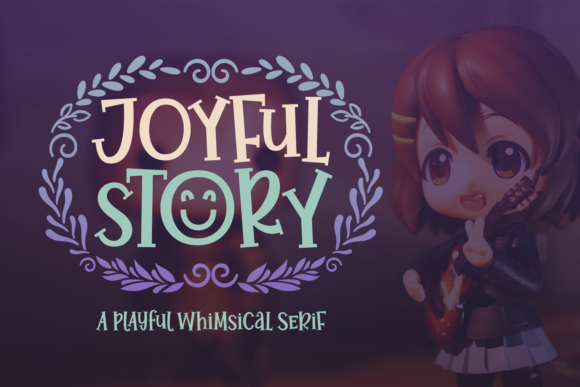
Transform Your Design with Joyful Story: A Playful and Whimsical Font
In a world where visual design plays a crucial role in capturing attention, the right font can make all the difference. Joyful Story is more than just a typeface—it’s an experience. This incredibly playful and whimsical font has quickly become a favorite among designers looking to add charm, creativity, and personality to their projects. Whether you're working on branding, website design, or print materials, Joyful Story offers a unique way to stand out and engage your audience.
Designers often face the challenge of making their work memorable and emotionally resonant. With so many fonts available, it's easy to feel overwhelmed by choices. Joyful Story simplifies this process by offering a bold, expressive style that immediately draws the eye and evokes a sense of fun and warmth. It's ideal for projects that require a touch of playfulness without sacrificing professionalism.
Why Choose Joyful Story?
Joyful Story is designed to bring joy to every project it touches. Its rounded, flowing characters create a sense of movement and energy, making it perfect for use in children's books, greeting cards, and even digital marketing campaigns. The font’s versatility allows it to adapt to various contexts, from formal invitations to casual social media graphics.
One of the key benefits of Joyful Story is its ability to convey emotion through typography. Unlike more rigid or traditional fonts, Joyful Story adds a layer of personality and storytelling to any design. This makes it particularly useful for brands that want to connect with their audience on a deeper, more emotional level.
Another advantage of using Joyful Story is its readability. Despite its playful appearance, the font maintains excellent legibility, ensuring that your message is clear and easy to read. This balance between style and functionality is essential for effective communication in design.
Practical Applications of Joyful Story
The applications of Joyful Story are as diverse as the projects it can enhance. Here are a few examples of how designers can incorporate this font into their work:
- Branding: Use Joyful Story for logos, taglines, and packaging to create a brand identity that feels warm, approachable, and memorable.
- Website Design: Incorporate Joyful Story into headlines, call-to-action buttons, or promotional banners to draw users in and encourage engagement.
- Print Materials: From wedding invitations to book covers, Joyful Story adds a creative flair that elevates the overall design.
- Social Media: Use Joyful Story in posts, stories, or ads to create a visually engaging presence that stands out in a crowded digital space.
Each of these scenarios demonstrates how Joyful Story can be tailored to meet specific design goals. Whether you're aiming for a whimsical aesthetic or a more subtle, elegant look, the font offers flexibility and creativity at every step.
Considerations for Using Joyful Story
While Joyful Story is a powerful tool, it's important to consider how and when to use it effectively. Here are some key recommendations:
- Pair with Complementary Fonts: While Joyful Story is expressive, it’s best used in combination with more neutral fonts for body text to maintain clarity and balance.
- Use Sparingly: Overuse of Joyful Story can dilute its impact. Reserve it for headlines, titles, or key elements to ensure it makes an impression.
- Test Across Platforms: Ensure that Joyful Story looks great on both digital and print media. Check for consistency in color, spacing, and readability across different devices and formats.
- Consider Audience: Think about who your target audience is. Joyful Story may not be suitable for all demographics—especially those who prefer a more serious or professional tone.
By keeping these considerations in mind, you can maximize the potential of Joyful Story while maintaining a cohesive and effective design strategy.
How Different Users Can Approach Joyful Story
Depending on the designer’s background and goals, the approach to using Joyful Story can vary. For example:
- Graphic Designers: May use Joyful Story in branding and packaging to create a distinct visual identity.
- Web Developers: Might integrate Joyful Story into websites for headers or promotional content to enhance user experience.
- Print Professionals: Could apply Joyful Story to book covers, posters, or event materials to add a creative edge.
- Content Creators: May use Joyful Story in social media posts or video captions to make their content more engaging and shareable.
Each of these roles highlights the versatility of Joyful Story, showing how it can be adapted to fit different needs and objectives.
In conclusion, Joyful Story is more than just a font—it's a design tool that brings joy, creativity, and personality to any project. By understanding its strengths, applications, and limitations, designers can harness its power to create meaningful, impactful designs that resonate with their audience. Whether you're looking to stand out in a competitive market or simply add a touch of whimsy to your work, Joyful Story is a valuable addition to your design toolkit.