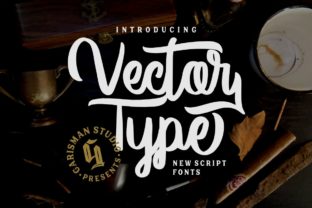
Vector Type: A Beautiful and Bold Handwritten Font for Design Projects
When it comes to typography, the right font can make or break a design. Vector Type is a standout choice among handwritten fonts, offering both aesthetic appeal and functional versatility. Known for its bold, expressive style, Vector Type adds a unique and personal touch to a wide range of creative projects. Whether you're designing logos, social media graphics, or marketing materials, this font can elevate your work with character and warmth.
What Is Vector Type?
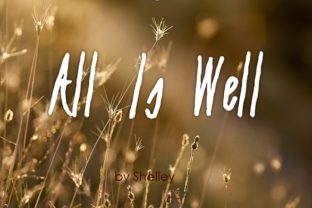
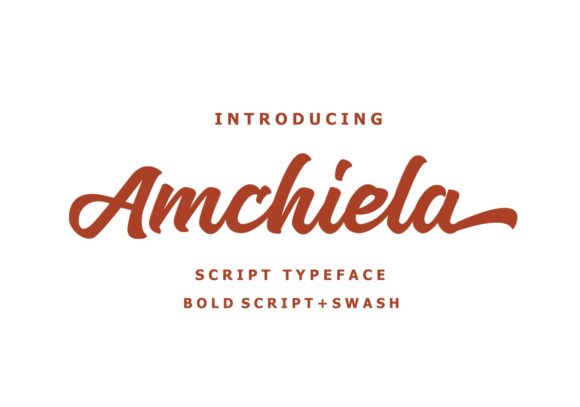
Vector Type is a handwritten font that blends elegance with a sense of individuality. Unlike standard sans-serif or serif fonts, it mimics the natural flow of handwriting, making it ideal for designs that require a human touch. Its bold strokes and varied letterforms create visual interest while maintaining readability, even at smaller sizes.
This font is particularly popular among designers who want to add a personal flair to their work. It’s especially effective in branding, where consistency and uniqueness are key. The font’s versatility allows it to be used across various mediums, from print to digital platforms, making it a valuable asset for any designer’s toolkit.
Why People Are Drawn to Vector Type
Many designers choose Vector Type because of its ability to convey emotion and personality. In an age where digital content often feels impersonal, a handwritten font like this one helps bridge the gap between the creator and the audience. It's perfect for creating a sense of authenticity, which is especially important in fields like marketing, education, and creative industries.
Additionally, Vector Type is highly adaptable. It works well in both minimalist and complex designs, depending on how it's applied. This flexibility makes it a go-to option for those looking to experiment with typography without sacrificing clarity or impact.
Common Mistakes When Using Vector Type
While Vector Type is a powerful tool, using it incorrectly can lead to poor results. Here are some common mistakes to avoid:
- Overusing the font: Applying Vector Type to every element of a design can dilute its impact. It’s best reserved for headlines, quotes, or specific design elements where its bold nature can shine.
- Ignoring size and spacing: Handwritten fonts like Vector Type can become difficult to read at small sizes. Always test how the font looks at different scales before finalizing your design.
- Using it in low-contrast environments: If the background is too dark or light, the font may lose legibility. Ensure there’s enough contrast between the text and its background.
- Misunderstanding licensing: Not all fonts are free to use, especially in commercial settings. Before downloading or purchasing Vector Type, check the license agreement to ensure it fits your project’s needs.
How These Mistakes Affect Your Work
Using Vector Type incorrectly can have several negative effects. Overuse can make your design feel cluttered and unprofessional. Poor spacing or sizing can reduce readability, leading to confusion for your audience. And improper licensing can result in legal issues, especially if the font is used for paid products or public-facing projects.
On the flip side, when used correctly, Vector Type can enhance your design’s visual appeal and emotional resonance. It adds a level of creativity and personality that machine-generated fonts often lack. This makes it particularly effective in branding and storytelling contexts.
Practical Tips for Using Vector Type Effectively
If you’re considering Vector Type, here are some practical tips to help you use it successfully:
- Use it strategically: Save Vector Type for headlines, taglines, or key messages. Use it sparingly to maintain its impact.
- Test it in different contexts: Preview your design on various devices and screen sizes to ensure the font remains readable and visually appealing.
- Pair it wisely: Combine Vector Type with complementary fonts for body text. For example, pair it with a clean sans-serif font for better readability.
- Check the license: Make sure you understand the terms of use for the font you’re selecting. Some fonts are free for personal use but require a purchase for commercial projects.
- Consider the audience: Think about who will be viewing your design. A bold, handwritten font like Vector Type may not be suitable for formal or professional settings.
What to Check Before Using Vector Type
Before incorporating Vector Type into your project, consider the following:
- Is the font suitable for your purpose? Does it align with the tone and message of your design?
- Does it meet your licensing requirements? Can it be used for your intended audience and platform?
- Will it remain legible in different formats? Test it in print, web, and mobile versions to ensure consistency.
- Are there alternative fonts available? Explore other options that might better suit your specific needs.
- Have you considered accessibility? Ensure that the font is easy to read for all users, including those with visual impairments.
Conclusion
Vector Type is a versatile and expressive font that can greatly enhance your design projects. By understanding its strengths and limitations, you can use it more effectively and avoid common pitfalls. Whether you're a beginner or a seasoned designer, taking the time to evaluate your choices will help you create more impactful and professional-looking work.