Exploring the Charm and Utility of Kitchen Rules
Kitchen Rules is more than just a design element—it's a versatile and expressive tool that can elevate any project with its unique handwritten aesthetic. This beautiful font, known for its personal and playful twist, has found a place in various creative fields, from branding to digital content creation. Whether you're designing a website, crafting a print publication, or building a visual identity, understanding how to effectively use Kitchen Rules can make a significant difference.
The Aesthetic Appeal of Kitchen Rules
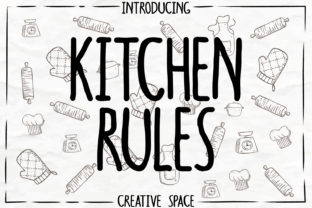
At its core, Kitchen Rules is a font that exudes warmth and character. Unlike traditional sans-serif or serif fonts, it brings a handcrafted feel to text, making it ideal for projects that require a touch of personality. The font’s irregularity and natural flow give it an organic look that stands out in both digital and physical spaces.
One of the most appealing aspects of Kitchen Rules is its ability to convey emotion through typography. Its handwritten style can evoke feelings of nostalgia, creativity, and approachability. For instance, when used in a brand’s logo or tagline, it can communicate a sense of authenticity and connection with the audience.
Moreover, the font’s versatility allows it to adapt to different contexts. Whether it's for a casual blog post, a product packaging design, or a social media graphic, Kitchen Rules can be styled to match the desired tone and message. This adaptability makes it a favorite among designers who want to maintain a cohesive yet dynamic visual identity.
Practical Applications of Kitchen Rules
The practical applications of Kitchen Rules extend beyond aesthetics. It serves as a powerful tool for communication, helping to break the monotony of standard fonts and adding a layer of uniqueness to any design. Here are some common use cases where Kitchen Rules shines:
- Branding and Logo Design: Kitchen Rules can be used to create memorable logos that stand out in a crowded market. Its handwritten style adds a human touch, making brands feel more relatable and trustworthy.
- Social Media Content: Platforms like Instagram and Pinterest often benefit from the use of Kitchen Rules in captions, headers, and call-to-action buttons. The font’s playful nature encourages engagement and interaction.
- Print Materials: From invitations to brochures, Kitchen Rules can enhance the visual appeal of printed materials. It works particularly well with illustrations and photographs, creating a cohesive and artistic layout.
- Digital Presentations: In PowerPoint slides or webinars, using Kitchen Rules for titles or key points can draw attention and make the content more engaging.
Each of these applications demonstrates how Kitchen Rules can be tailored to fit specific needs while maintaining its signature charm. By choosing the right size, spacing, and color, designers can ensure that the font enhances rather than distracts from the overall message.
Key Characteristics of Kitchen Rules
To fully appreciate the value of Kitchen Rules, it’s important to understand its defining characteristics. These features not only contribute to its visual appeal but also influence its usability in different contexts:
- Handwritten Style: The font mimics the look of handwritten text, giving it a personal and intimate feel. This characteristic is especially useful for projects that aim to convey a sense of authenticity.
- Playful and Fun: The irregular strokes and varied letterforms add a sense of playfulness, making it ideal for creative and informal designs.
- High Readability: Despite its unique appearance, Kitchen Rules remains highly readable, which is crucial for effective communication. Proper spacing and sizing ensure that the text remains legible at various sizes.
- Adaptable: The font can be customized to suit different styles and tones, whether it's for a professional setting or a more casual one.
These characteristics make Kitchen Rules a valuable asset for designers looking to create visually compelling and emotionally resonant content. Its ability to balance style with functionality ensures that it can be used in a wide range of applications without compromising on clarity or impact.
Considerations When Using Kitchen Rules
While Kitchen Rules offers many benefits, there are certain considerations to keep in mind when incorporating it into your design projects:
- Font Pairing: Kitchen Rules should be paired with complementary fonts to maintain visual harmony. For example, using a clean sans-serif font for body text alongside Kitchen Rules for headings can create a balanced and professional look.
- Size and Spacing: The font performs best when given adequate space and appropriate sizing. Overcrowding or using it too small can reduce readability and diminish its intended effect.
- Color Contrast: Ensuring sufficient contrast between the font and background is essential for readability. Darker colors may work better on light backgrounds, and vice versa.
- Use in Context: Consider the purpose of your design. While Kitchen Rules can add personality, it may not always be suitable for formal or technical documents where clarity and professionalism are paramount.
By being mindful of these considerations, designers can maximize the potential of Kitchen Rules while ensuring that it aligns with the goals and requirements of their projects.
Real-World Examples of Kitchen Rules in Action
Examining real-world examples can provide insight into how Kitchen Rules is applied across different industries and contexts. Here are a few notable instances:
1. Branding: A local bakery might use Kitchen Rules in its logo and packaging to create a warm and inviting brand image. The font’s handwritten style reflects the artisanal nature of the business, making it more relatable to customers.
2. Social Media: Influencers and content creators often incorporate Kitchen Rules into their social media posts to add a personal touch. For example, a lifestyle blogger might use the font in their headlines to make their content feel more approachable and engaging.
3. Educational Materials: Teachers and educators can use Kitchen Rules in classroom resources or student projects to encourage creativity and individual expression. It can be particularly effective in activities that involve writing or drawing.
4. Website Design: Websites that focus on art, design, or creative services may use Kitchen Rules for headers or call-to-action buttons to stand out and attract attention. The font’s playful nature can help create a welcoming and interactive user experience.
These examples illustrate how Kitchen Rules can be adapted to suit different purposes while maintaining its unique charm and effectiveness.
Conclusion
Kitchen Rules is a font that blends beauty with functionality, offering a distinctive and expressive way to communicate visually. Its handwritten style adds a personal touch to any design, making it a popular choice among designers and creators. Whether used for branding, social media, print materials, or digital presentations, Kitchen Rules has the potential to enhance the overall impact of a project.
By understanding its characteristics, applications, and considerations, designers can make informed decisions about when and how to use this font effectively. With proper implementation, Kitchen Rules can become a valuable asset in creating engaging and meaningful visual content.