The Elegance of Splash: A Script Font for Modern Design
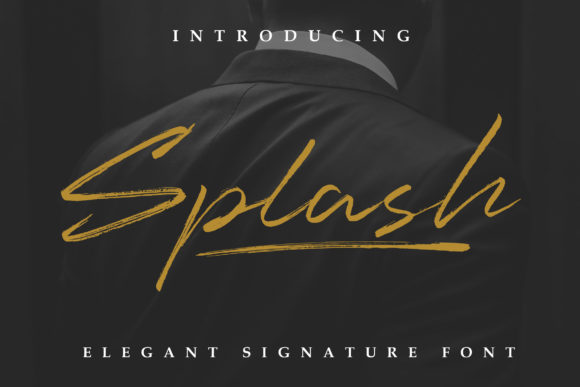
In the ever-evolving world of typography, certain fonts stand out not just for their visual appeal but for their versatility and adaptability. One such font that has gained considerable attention in recent years is Splash. Known for its elegant script style and distinctive underline swashes, Splash offers a unique blend of sophistication and creativity. Whether you're designing a signature, creating a watermark, or crafting a business card, Splash brings an organic and refined touch to your projects.
Understanding the Unique Characteristics of Splash
Splash is more than just a decorative font; it's a carefully designed script that balances elegance with readability. Its flowing lines and subtle curves create a sense of movement, making it ideal for both formal and informal applications. The most notable feature of Splash is its underline swashes—these are the small, decorative strokes that appear at the end of each letter, adding a touch of refinement and personality.
These swashes are not merely ornamental; they serve a functional purpose as well. They help differentiate between letters, especially in longer texts, ensuring clarity without sacrificing style. This makes Splash suitable for a wide range of uses, from digital content to print media.
Why Choose Splash for Your Design Projects?
There are several reasons why designers and creators might opt for Splash over other script fonts. First and foremost is its aesthetic appeal. The fluidity of the font gives it a natural, handwritten feel, which can be particularly effective in branding and personal projects. It adds a sense of authenticity and craftsmanship that is hard to replicate with standard sans-serif or serif fonts.
Another advantage of Splash is its versatility. It works well in various contexts, whether it's used for headings, body text, or accents. The underline swashes provide a subtle yet impactful way to emphasize key elements without overwhelming the reader. This balance between style and functionality makes Splash a popular choice among professionals and hobbyists alike.
Additionally, Splash is highly adaptable. It can be scaled up or down without losing its legibility, making it suitable for different sizes and formats. This flexibility is especially valuable when working on multi-platform designs, such as websites, social media posts, or printed materials.
Practical Use Cases for Splash
The beauty of Splash lies in its ability to enhance a variety of design projects. Here are some common use cases where this font shines:
- Signatures and Watermarks: Splash is often used for signatures due to its elegant and personal feel. It can also serve as a watermark in digital documents, adding a touch of sophistication without being distracting.
- Business Cards and Stationery: The organic look of Splash makes it perfect for business cards, letterheads, and stationery. It adds a professional yet artistic element to these everyday items.
- Branding and Logo Design: Many brands incorporate Splash into their logos and brand identities to convey a sense of uniqueness and creativity. Its flowing nature aligns well with creative industries such as fashion, art, and entertainment.
- Website Headers and Call-to-Action Buttons: When used sparingly, Splash can elevate the visual hierarchy of a website. It's particularly effective for headers, titles, and call-to-action buttons, drawing the eye naturally to key information.
- Personal Projects and Creative Writing: For writers, artists, and creators, Splash offers a way to express individuality. It can be used in journals, poetry collections, or creative writing to add a unique flair.
Each of these applications highlights the adaptability of Splash, proving that it's not just a font for special occasions but a versatile tool for everyday design needs.
Considerations When Using Splash
While Splash is a remarkable font, it's important to consider its limitations and best practices before incorporating it into your design projects. Here are a few key considerations:
First, Splash is best suited for short texts. Its flowing nature can make longer paragraphs difficult to read, especially in smaller sizes. Therefore, it's recommended to use Splash for headings, titles, or accents rather than large blocks of body text.
Second, ensure that the font complements the overall design. While Splash adds a touch of elegance, it should not overpower other elements. Pairing it with a clean, modern sans-serif font can create a balanced and visually appealing composition.
Third, test the font across different devices and platforms. Since Splash may not render perfectly on all systems, it's wise to have a backup font or use web-safe alternatives to maintain consistency in your designs.
Lastly, always respect the licensing terms of the font. Some versions of Splash may require purchase or subscription, so it's essential to verify the usage rights before implementing it in commercial or public-facing projects.
Conclusion
Splash is a font that stands out for its elegance, versatility, and unique characteristics. Whether you're looking to add a personal touch to your signature, elevate your brand identity, or enhance your creative projects, Splash offers a compelling solution. By understanding its strengths and limitations, you can effectively integrate it into your design workflow and achieve stunning results.