The Timeless Elegance of John Austiney: A Signature Font for Modern Design
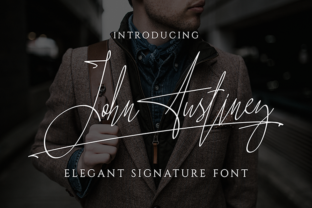
John Austiney is more than just a font—it’s a statement. Known for its bold and timeless elements, this signature font brings an elevated sense of sophistication to any design project. Whether used in branding, editorial layouts, or digital interfaces, John Austiney stands out for its unique ability to convey both professionalism and artistic flair. In a world where visual communication plays a crucial role in capturing attention, the right typography can make all the difference.
What Makes John Austiney Stand Out?
At first glance, John Austiney appears to be a classic serif font with a modern twist. Its structure is rooted in traditional typography, yet it incorporates contemporary design principles that make it feel fresh and relevant. The font features clean lines, balanced spacing, and a strong emphasis on readability without sacrificing style.
One of the most striking aspects of John Austiney is its versatility. It performs exceptionally well in both print and digital formats, making it a valuable asset for designers working across multiple platforms. The font's character set includes a wide range of letters, numbers, and special symbols, ensuring that it can accommodate diverse design needs.
Another key feature of John Austiney is its adaptability. It can be scaled up or down without losing its clarity or aesthetic appeal. This makes it suitable for use in headings, body text, and even as a decorative element within a design composition. Its elegant curves and sharp angles create a visual balance that is both pleasing to the eye and functional for reading.
Use Cases for John Austiney
John Austiney is particularly well-suited for projects that require a touch of sophistication and refinement. Here are some common use cases where this font shines:
- Branding and Logo Design: The bold and elegant nature of John Austiney makes it ideal for logos, company names, and brand identities. It conveys trust, reliability, and a sense of authority.
- Editorial and Publishing: For magazines, newspapers, and books, John Austiney offers a refined look that enhances the overall reading experience. Its readability ensures that content remains accessible while maintaining a high level of visual appeal.
- Digital Interfaces: Web designers often turn to John Austiney for headers, call-to-action buttons, and other interactive elements. Its clean design ensures that it renders well across different screen sizes and devices.
- Artistic and Creative Projects: Artists and creatives appreciate the uniqueness of John Austiney. It adds a distinctive visual identity to posters, invitations, and other creative works.
Each of these applications highlights the font’s ability to blend form and function seamlessly. Whether you're designing a corporate website or creating a visually striking poster, John Austiney provides the flexibility and elegance needed to elevate your work.
Advantages of Using John Austiney
Choosing John Austiney comes with several advantages that make it a preferred choice among designers and creators:
- Timeless Aesthetic: Unlike many fonts that trend in and out of popularity, John Austiney maintains its relevance due to its classic yet modern design. It appeals to a broad audience and remains stylish over time.
- High Readability: Despite its elegant appearance, John Austiney is designed with readability in mind. Its clear letterforms and consistent spacing ensure that text remains easy to read, even at smaller sizes.
- Strong Visual Impact: The bold strokes and refined details of John Austiney create a strong visual impact, making it an excellent choice for headlines and prominent text elements.
- Wide Compatibility: This font is compatible with most design software and platforms, including Adobe Illustrator, Photoshop, and web-based tools. It also supports various file formats such as OTF, TTF, and WOFF.
- Customization Options: Many versions of John Austiney offer customization options, allowing designers to tweak weights, styles, and spacing to suit their specific project requirements.
These advantages collectively contribute to the font’s popularity and effectiveness in a wide range of design contexts. By combining functionality with aesthetics, John Austiney offers a solution that is both practical and visually compelling.
Considerations When Using John Austiney
While John Austiney is a versatile and elegant font, there are a few considerations to keep in mind when using it in your design projects:
Firstly, it's important to use John Austiney appropriately. Due to its bold and sophisticated nature, it may not always be the best choice for body text. Instead, it is often reserved for headings, titles, and other prominent text elements. Pairing it with a more readable sans-serif or serif font for body text can help maintain a balanced design.
Secondly, ensure that the font is properly licensed for your intended use. Some versions of John Austiney may require a purchase or subscription, especially if you're using it for commercial purposes. Always check the licensing terms before incorporating the font into your projects.
Lastly, consider the context in which the font will be used. While John Austiney is well-suited for professional and creative applications, it may not be the best fit for all audiences or industries. For example, a more casual or playful font might be more appropriate for a children's publication or a fun-oriented website.
Conclusion
John Austiney is a remarkable font that combines elegance, readability, and versatility. Its bold and timeless design makes it an excellent choice for a wide range of design projects, from branding and publishing to digital interfaces and artistic creations. Whether you're looking to make a strong visual statement or enhance the overall aesthetic of your work, John Austiney offers a refined and sophisticated solution that is both functional and beautiful.